How Long to Marinate Meat: A Time Chart for Every Protein and Cut
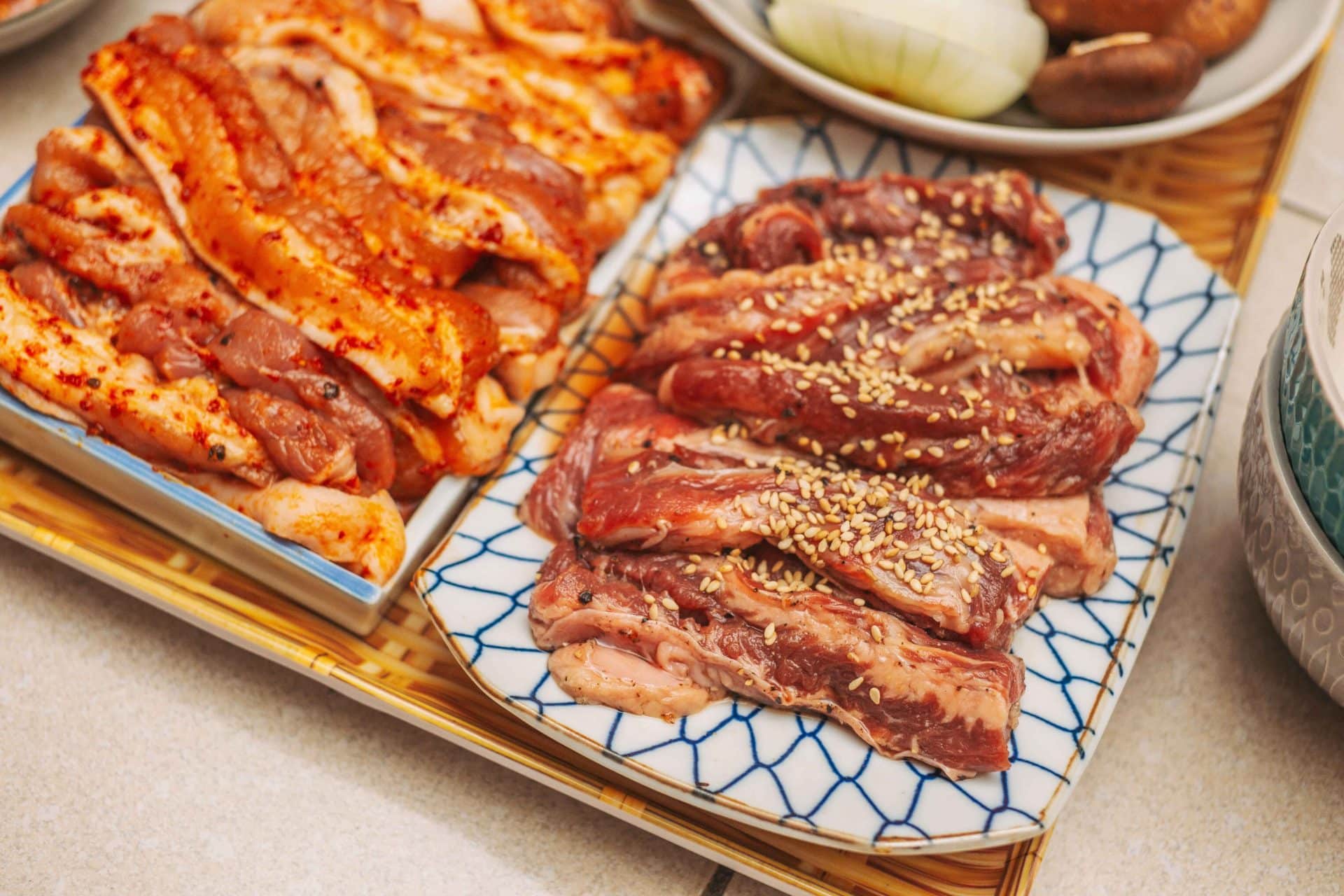
Whether you’re throwing chicken breasts on the grill or prepping a slow-cooked chuck roast for the weekend, getting the timing right is the secret to rich flavor and fork-tender texture.
While taking a quick look at the basics of marinating gives you a good starting point, timing varies widely across different cuts and proteins. Marinate too short, and you only flavor the surface. Marinate too long, and you risk turning your dinner mushy.
The Short Answer: How Long Should You Marinate?
- 30 minutes gets you surface-level flavor.
- 4 to 8 hours achieves maximum flavor penetration and physical tenderness.
- Cut thickness and protein type matter most: Thin cuts and seafood need minimal time, while large roasts can sit for a full day.
- Allegro’s difference: Allegro is a thin, soy-based marinade. Because it is thinner and lighter than heavy oil-based marinades, it penetrates muscle fibers significantly faster, which means shorter soak times are usually more than enough.
Master Marinating Time Chart
Use this reference table whenever you prep your favorite meats, seafood, or plant-based proteins.
| Protein / Cut | Recommended Marinating Time |
|---|---|
| Chicken breast (boneless) | 2–6 hours |
| Chicken thighs / wings | 2–12 hours |
| Whole chicken | 8–24 hours |
| Steak (flank, skirt, flat iron) | 2–8 hours |
| Steak (ribeye, strip, filet) | 30 mins–4 hours |
| Chuck roast / brisket | 12–24 hours |
| Pork chops | 2–6 hours |
| Pork tenderloin | 4–8 hours |
| Pork shoulder | 12–24 hours |
| Shrimp | 15–30 mins |
| Firm fish (salmon, tuna, swordfish) | 30–60 mins |
| Delicate fish (tilapia, catfish, walleye) | 15–30 mins |
| Venison and wild game | 8–24 hours |
| Firm tofu | 30 mins–4 hours |
| Vegetables | 15–60 mins |
| Mushrooms | 15–30 mins |
Why Cut Thickness Matters More Than Weight
It’s a common myth that a 4-pound roast needs four times as long to marinate as a 1-pound steak. In reality, marinades travel inward slowly, roughly 1/8 inch per hour into raw muscle tissue.
Because absorption is bounded by surface depth rather than total mass:
- A 1-inch pork chop reaches maximum marinade saturation long before a 4-pound pork shoulder even begins absorbing deeply.
- Speed-up technique: Scoring, piercing with a fork, or butterflying thick cuts slashes the required soak time in half.
Can You Marinate Meat Too Long? (Yes!)
More time isn’t always better. Leaving protein in a marinade too long causes acids and salts to break down the natural muscle structure beyond the point of tenderness, leading to common marinade mistakes to avoid.
What Happens When You Over-Marinate
- Texture degradation: Meat becomes mushy, chalky, or overly rubbery (often taking on a dense, “ham-like” exterior).
- Seafood “cooking”: Citrus juices and vinegars act quickly on delicate fish and shrimp, chemically “cooking” the protein fibers (the ceviche effect) and leaving them tough and dry once cooked over heat.
- Visual red flags: Look out for mealy surfaces, greyish/opaque edges, or raw meat that shreds apart in your hands before it ever hits the heat.
Short on Time? How to Speed Up the Process
If you forgot to prep dinner ahead of time, try these techniques to accelerate flavor absorption:
- Go thin: Thin, soy-based marinades like Allegro soak in faster than thick, oil-heavy ones, so you get more flavor in less time. Keep the meat in the fridge the whole time it marinates.
- The Freezer-Bag Method: Using a sealable bag allows you to squeeze out all excess air so the liquid stays in constant contact with every inch of raw surface. Learn how to optimize this technique in our freezer-bag method guide.
- Mechanical help: Use a marinade injector or vacuum sealer on large cuts like brisket or pork shoulder to force flavor deep into the center instantly.
- Slice first: Cut chicken or beef into thin strips or bite-sized medallions before marinating, then cook immediately after.
Marinating Ahead: Freezer & Meal Prep Timing
Marinating is one of the easiest ways to streamline weeknight dinners:
- Freeze while marinating: Submerge raw meat in marinade inside a freezer-safe bag, seal, and freeze immediately. The meat will marinate during the freezing process and finish marinating as it thaws in your refrigerator.
- Account for thaw time: A 24-hour thaw in the fridge counts as marinating time, so subtract that day from your overall soak target!
- Batch prep: To set yourself up for stress-free weeknights, check out our guide to Sunday batch-marinating for a week of easy dinners to store prepped proteins safely for up to 4 days.
Non-Negotiable Food Safety Rules
Safety comes first whenever raw meat and poultry are involved:
- Refrigerate always: Always marinate in the refrigerator, never on the counter at room temperature.
- Never reuse used marinade: Any liquid that has come into contact with raw meat or seafood contains bacteria. Review our guide on why you should never reuse a marinade to keep your kitchen safe.
- Reserve early: If you want extra sauce for dipping or basting, pour off a clean portion into a separate container before adding your raw protein.
- The 2-day limit: Discard raw meat left in liquid marinade after 2 days max in the fridge.
Timing by Allegro Flavor
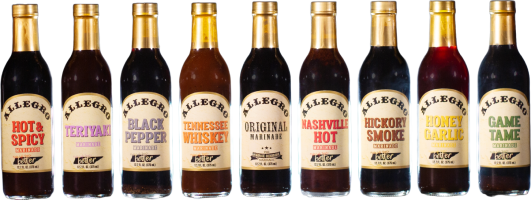
Different Allegro flavors contain distinct ingredients that interact with protein in unique ways:
- Original Marinade & Game Tame: Versatile and forgiving. Use the full recommended standard timing windows listed in the chart above.
- Teriyaki & Honey Garlic: Higher sugar content means shorter marinating times are preferred. Keep cooking heat medium to low to prevent charred or burnt surfaces.
- Nashville Hot & Hot & Spicy: Because spicy pepper profiles build intensity over time, stick to the lower end of the recommended time ranges if you prefer moderate heat.
- Tennessee Whiskey: Formulated for deeper, richer profiles, with 4 to 8 hours as the ideal sweet spot for beef and pork.
Frequently Asked Questions
Is 30 minutes long enough to marinate chicken?
Yes! While 2 to 6 hours delivers the best tenderizing results, a quick 30-minute soak in a light, soy-based sauce like Allegro is plenty of time to infuse great surface flavor into boneless chicken breasts or cutlets.
Can you marinate chicken for 3 days?
No. Marinating chicken past 2 days (48 hours) causes the muscle fibers to break down excessively, resulting in a mushy or chalky texture once cooked.
Does marinating longer make meat more tender?
Only up to a point. Once the salt and acid have broken down the exterior muscle fibers, additional time will break down the meat too much, ruining its structural integrity. For more ways to get a tender bite, see our 5 secrets to tender meat.
Should you poke holes in meat before marinating?
Poking small holes or scoring the surface with a knife allows the liquid to penetrate deeper into thick cuts, effectively cutting your required marinating time in half.