Marinated Prime Rib for Christmas Dinner: How to Season the Best Roast of the Year
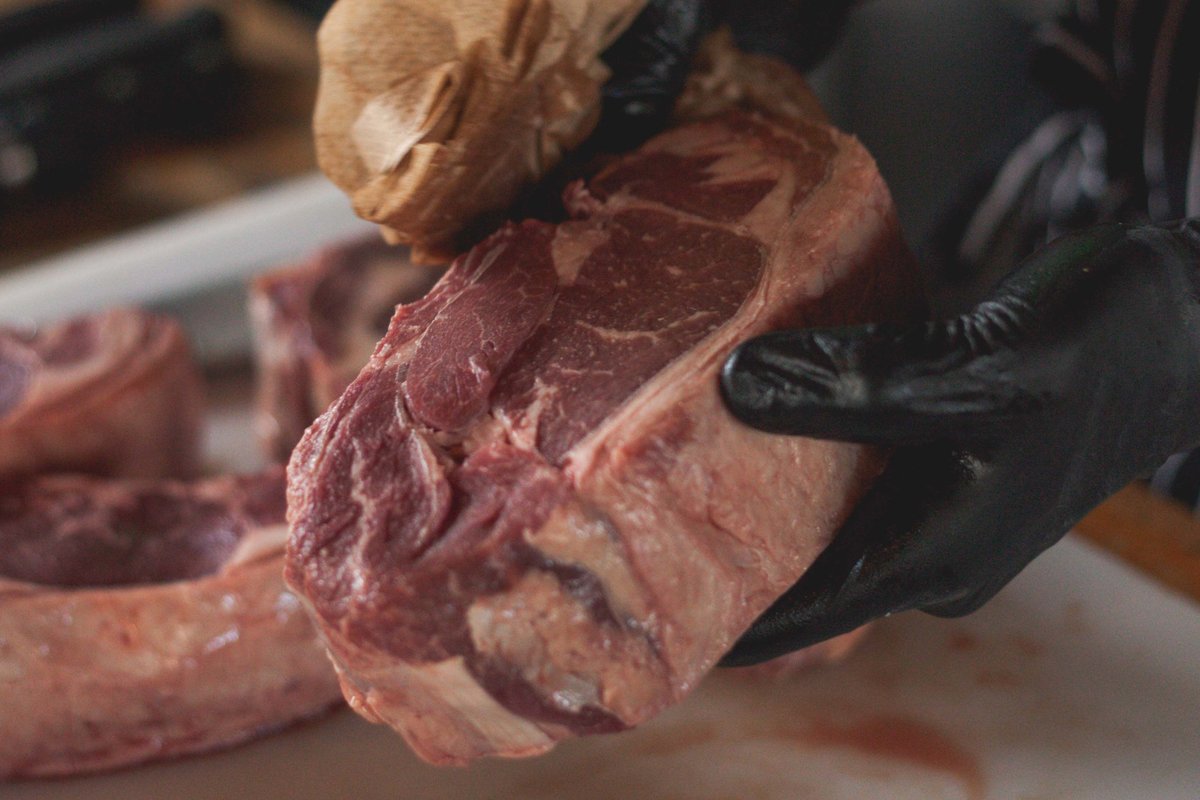
A standing rib roast is easily the most prized centerpiece of the holiday season. While many families turn to our holiday ham guide for Christmas dinner, beef lovers know that nothing matches the rich, celebratory look of a perfectly cooked prime rib.
Because a prime rib roast is often the most expensive piece of meat you’ll buy all year, cooking it can feel intimidating. Many home cooks skip marinating altogether out of fear of ruining the beef, but using the right prime rib marinade is the secret to pulling savory flavor deep past the surface while locking in moisture.
Here is everything you need to know about buying, marinating, and roasting the ultimate Christmas prime rib using the reverse-sear method.
Buying the Roast: Bone-In vs. Boneless
Before you start cooking, you need the right cut:
- Bone-In vs. Boneless: Bone-in roasts deliver richer flavor and natural insulation during roasting, while boneless roasts are significantly easier to carve.
- The Butcher’s Trick: Ask your butcher to cut the bones loose from the roast and tie them back on with kitchen twine. This gives you the flavor insulation of bone-in cooking with the effortless carving of a boneless roast.
- Portioning: Plan for 1 pound per person for a bone-in roast, or roughly ½ pound per person for boneless. Each rib bone generally accounts for 2 servings (a 4-bone roast comfortably feeds 8 people).
- Order Early: Good standing rib roasts sell out quickly during the third week of December, so place your butcher order at least a week in advance.
Why Marinate a Roast This Good?
Some purists argue that prime rib only needs salt and pepper, but a liquid marinade provides major advantages:
- Deep Flavor Penetration: Salt and soy-forward marinades pull savory seasonings past the exterior fat cap, ensuring every slice is seasoned to the core.
- Protects the Outer Edges: The tapered ends and flat sides of a roast cook faster and tend to dry out. A marinade acts as a protective shield to keep outer slices tender.
- Builds a Superior Crust: A thin liquid marinade bakes into a crisp, caramelized crust without the heavy, powdery char that can come from thick, dry rubs.
Rule of Thumb: Keep it simple so the natural taste of high-grade beef shines through. Avoid heavy sugars that burn during high-heat finishing.
How Long to Marinate Prime Rib?
The optimal window for marinating a standing rib roast is 4 to 12 hours in a large zip-top bag or covered roasting pan, turning the roast once halfway through.
- The Maximum Time: Overnight (12 hours) is the practical limit. Leaving it in marinade longer than 12 hours can soften the outer inch of meat tissue, leading to a mushy texture.
- How Much Marinade to Use: Use roughly 1 cup of marinade per 4 to 5 pounds of meat (refer to our guide on how much marinade to use for exact ratios).
- Crucial Prep Step: After pulling the roast from the liquid, pat it completely dry with paper towels. Excess moisture on the surface will steam the meat rather than sear it. Let the dried roast sit on the counter for 2 hours before roasting to bring it to room temperature.
Which Allegro Flavor Should You Choose?
Selecting the right bottle depends on the profile you want for your Christmas dinner:
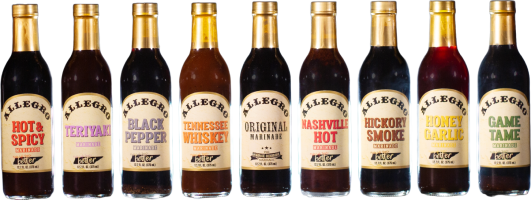
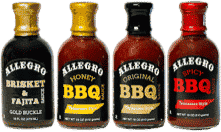
- Allegro Original Marinade: The gold standard. Salt and soy-forward, it enhances the natural beefiness without overpowering it.
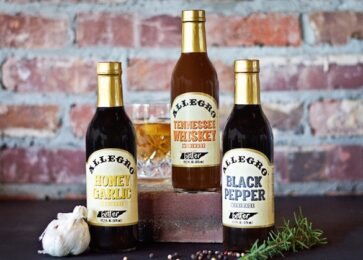
- Allegro Tennessee Whiskey Marinade: Adds a subtle, rich oak sweetness that helps build a gorgeous, mahogany-dark crust.
- Allegro Black Pepper Marinade: Delivers that classic, robust steakhouse flavor profile.
- Allegro Hickory Smoke Marinade: Ideal when roasting in a standard kitchen oven when you want authentic smoker depth without firing up an outdoor grill.
The Reverse Sear Method (Step-by-Step)
The reverse-sear method cooks the roast gently at low heat first, then finishes it with a blast of high heat to create a perfect edge-to-edge pink center with a crispy crust.
1. Low & Slow Roast
Preheat your oven to 250°F. Place the room-temperature, dried roast bone-side down in a roasting pan. Insert an oven-safe probe thermometer into the center of the thickest part of the meat. Roast uncovered for approximately 25 minutes per pound until it reaches 5°F to 10°F below your target temperature.
2. The Rest Period
Remove the roast from the oven, tent it loosely with aluminum foil, and let it rest on a cutting board for 30 minutes. Do not skip this step. Resting allows the juices to redistribute throughout the meat.
3. The High-Heat Blast
Crank your oven to 500°F. Just before serving, place the rested roast back in the oven for 8 to 10 minutes until the exterior is deeply browned and sizzling. Carve immediately!
Prime Rib Temperature Chart
Always cook to internal temperature, never to time! Keep in mind that carryover cooking will raise the temperature 5°F to 10°F while the roast rests under foil.
| Desired Doneness | Pull From Oven At | Final Served Temp | Center Color |
|---|---|---|---|
| Rare | 115°F | 120°F – 125°F | Cool, bright red center |
| Medium Rare | 125°F | 130°F – 135°F | Warm, rich pink center |
| Medium | 135°F | 140°F – 145°F | Warm, light pink center |
Easy Au Jus from the Pan Drippings
Turn your roasting pan drippings into a rich gravy alternative in minutes:
- Place the roasting pan on the stovetop over medium heat.
- Pour in 1 cup of beef stock and a 2-tablespoon splash of fresh marinade straight from the bottle. (Note: Learn why you should never reuse a marinade that touched raw meat!)
- Scrape up the browned bits, skim off excess top fat, and simmer to reduce by one-third.
- Swirl in 1 tablespoon of cold butter off the heat for a glossy finish. Serve alongside a quick homemade horseradish cream.
The Christmas Prime Rib Timeline
- 1 Day Before (Christmas Eve morning): Trim, tie, marinate, and refrigerate the roast.
- Christmas Eve night: Drain the marinade, pat the roast dry, and leave it uncovered in the fridge overnight to dry out the outer skin.
- 4 Hours Out: Take the roast out of the fridge and let it sit at room temperature.
- 2.5 Hours Out: Roast at 250°F until your probe hits target temperature.
- 30 Minutes Out: Rest under foil, then execute the 500°F crust finish right before carving.
Common Mistakes to Avoid
A few slip-ups to watch for on the big day (for more general tips, see our guide to marinade mistakes to avoid):
- Roasting Straight from the Fridge: Putting ice-cold beef into the oven creates a gray, overcooked outer ring and a cold center.
- Slicing Immediately: Cutting into the meat without a 30-minute rest dumps all the delicious juices onto your cutting board instead of keeping them in the beef.
- Over-marinating: Leaving a roast in liquid for 24+ hours compromises the texture of the outer layers.
- Trusting the Clock Over a Thermometer: Ovens vary wildly. Rely on an internal probe thermometer for flawless results every time.
People Also Ask
Should you marinate prime rib?
Yes! Marinating a prime rib roast enhances tenderness, adds moisture, and seasons the meat deep past the exterior fat layer, ensuring savory flavor in every slice.
How long can prime rib sit in marinade?
Prime rib should marinate for 4 to 12 hours. Overnight (12 hours) is the maximum recommended time to keep the meat fibers from becoming too soft.
Do you cook prime rib covered or uncovered?
Always cook prime rib uncovered. Covering a roast traps steam, preventing a savory crust from forming on the outside.
What temperature is prime rib done?
Prime rib is ideal at Medium Rare. Pull the roast from the oven when your probe reads 125°F; carryover heat will bring it to its final target temperature of 130°F–135°F during the rest period.
How much prime rib do you need per person?
Calculate 1 pound per person for bone-in prime rib, or ½ pound per person for boneless prime rib.