Hickory vs. Mesquite vs. Everything Else: The Ultimate Smoking Wood Pairing Chart
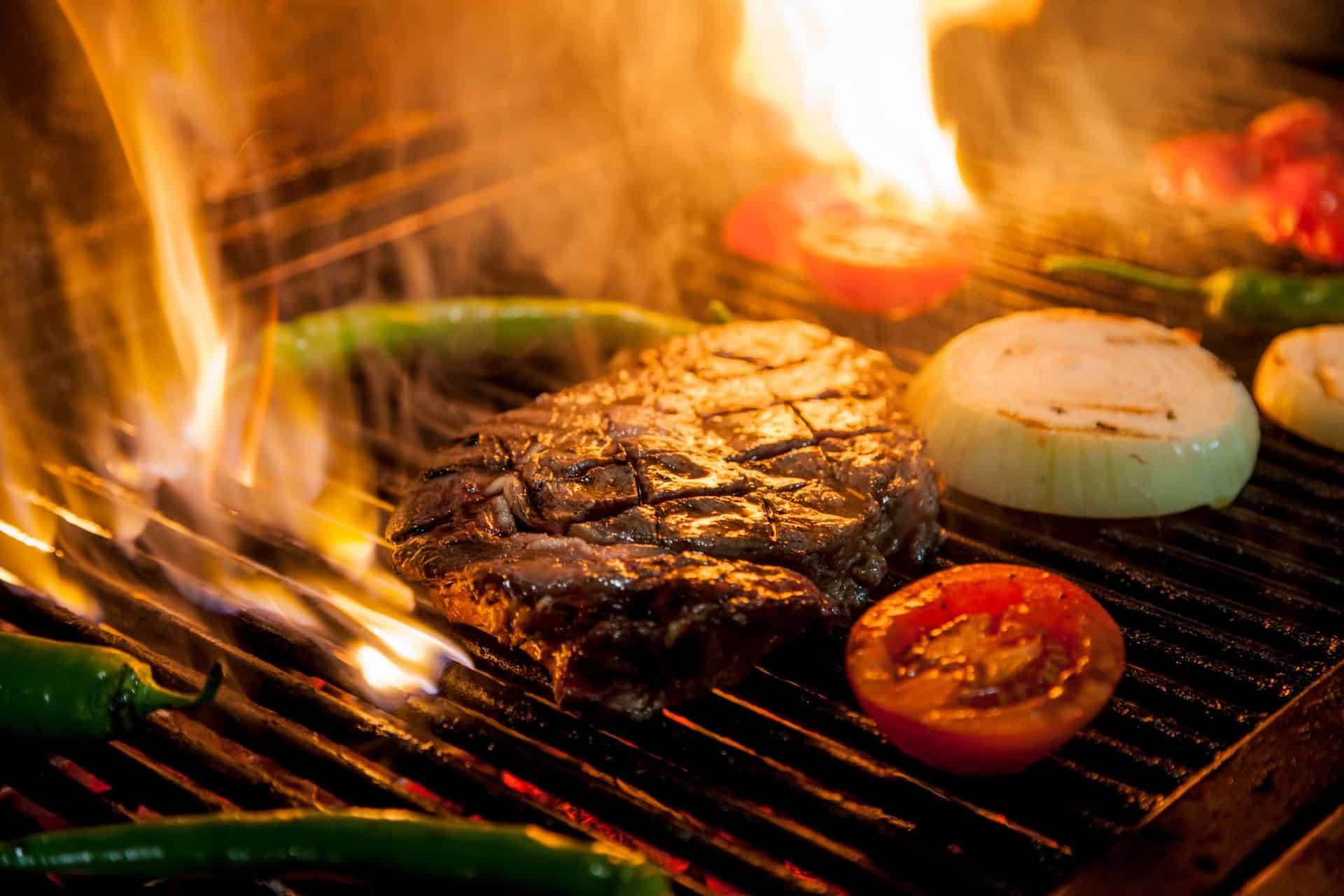
When it comes to great barbecue, smoke isn’t just heat. It’s an ingredient. Choosing the right wood profile changes the flavor profile of your meat just as dramatically as your spice rub or marinade selection.
Whether you’re firing up an offset smoker, tossing chips onto a gas grill, or adding rich smoky depth straight from your kitchen, mastering wood pairings is the key to achieving competition-worthy flavor.
Smoke Is a Seasoning: Treat It Like One
Think of smoke as an invisible dry rub. Every wood species releases a distinct combination of aromatic compounds, sugars, and tannins as it burns.
When choosing the best wood for smoking meat, keep three core variables in mind:
- Intensity: How heavily the wood flavor weighs on the palate (ranging from delicate and floral to heavy and pungent).
- Sweetness: Fruity or nutty undertones that balance savory salts.
- Burn Behavior: How hot, fast, and clean the wood burns.
Pitmaster Rule: More smoke is not better smoke. You are aiming for a whisper of thin, blue smoke, not billows of heavy white clouds. Over-smoked meat becomes acrid, bitter, and tongue-numbing, a mistake that no sauce can fix.
The Strength Scale: From Mildest to Strongest
Understanding wood intensity helps you avoid overpowering delicate proteins like fish or poultry.
- Alder: The mildest wood available. Light, clean, and delicate. Ideal for seafood and white fish.
- Apple: Very light and sweet with a fruity aroma. Excellent for pork and chicken.
- Cherry: Light to medium intensity with a subtle sweetness. It renders a rich mahogany color on meat exteriors.
- Maple: Medium strength, mild, and sweet. A classic choice for poultry and pork.
- Pecan: Medium strength with a smooth, nutty character. Think of it as a softer, more forgiving cousin of hickory.
- Oak: Medium-strong with a clean, well-rounded backbone. Highly versatile and popular for central Texas-style barbecue.
- Hickory: Strong, rich, and distinctly bacon-forward. The classic flavor profile of traditional American barbecue.
- Mesquite: The strongest, most aggressive smoking wood. Earthy, intense, and burns exceptionally hot and fast.
Hickory vs. Mesquite: The Head-to-Head
While mild woods provide gentle background notes, hickory and mesquite are the two heavyweight titans of American pitmaster culture.
Hickory
- Flavor Profile: Sweet, heavy, savory, and deep. It imparts a recognizable bacon or cured ham character.
- Best Uses: Pork shoulder, ribs, chicken, turkey, brisket, and cold-smoked cheeses.
- Behavior: Highly forgiving over long, low-and-slow cooks.
Mesquite
- Flavor Profile: Bold, earthy, and almost peppery. Because of its high oil content, it delivers intense smoke quickly.
- Best Uses: Texas-style beef brisket, wild game, fajita cuts, and quick-seared steaks.
- Behavior: Best used for hot-and-fast cooks. If used exclusively over an 8-hour cook, it can turn bitter or overpowering.
Rule of Thumb: Use hickory for low-and-slow barbecue cooks; reserve mesquite for high-heat searing or bold beef cuts.
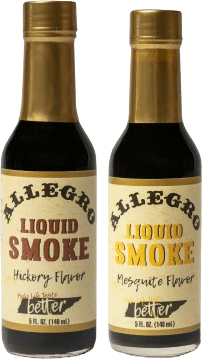
No smoker? No problem. You can capture both classic profiles in your kitchen using Allegro Hickory Liquid Smoke or Allegro Mesquite Liquid Smoke.
The Ultimate Smoking Wood Pairing Chart
Use this quick-reference guide to select the ideal wood or liquid smoke base for your meal:
| Protein / Cut | Primary Wood Choice | Secondary / Blend Option |
|---|---|---|
| Beef Brisket | Oak | Hickory or Mesquite blend |
| Pork Shoulder / Pulled Pork | Hickory | Apple or Cherry |
| Pork Ribs | Hickory | Apple or Pecan |
| Chicken & Turkey | Apple | Cherry, Maple, or Pecan |
| Salmon & Trout | Alder | Apple |
| Venison & Wild Game | Mesquite | Oak or Hickory |
| Beef Steak (Hot & Fast) | Mesquite | Oak |
| Sausages | Hickory | Oak |
| Cheese (Cold Smoke) | Apple | Cherry or Pecan |
| Vegetables | Apple | Alder or Maple |
| Nuts & Snack Mixes | Hickory | Pecan |
Chunks, Chips, Pellets, or Logs?
How your wood is processed dictates how it burns and what grill setup it suits best:
- Chunks: Burn for 1 to 4 hours. Perfect for charcoal kettle grills, bullet smokers, and offset rigs.
- Chips: Burn out rapidly (20 to 30 minutes). Best suited for gas grill smoker boxes or quick bursts of smoke.
- Pellets: Compressed sawdust that feeds automatically in pellet grills. Delivers consistent heat with a milder smoke footprint.
- Logs (Split Wood): Used exclusively in full-sized offset smokers. Requires active fire management skills.
Myth Buster: Soaking wood chips in water does not create more smoke. It lowers your grill temperature and produces steam, delaying the smoke cycle rather than extending it.
Woods to Avoid at All Costs
Never use the following materials in your smoker or grill:
- Conifers & Evergreens: Pine, cedar, fir, and spruce contain heavy resins and saps that yield unpleasant fumes and dangerous soot. (Note: Cedar planks are used for baking, not burning).
- Treated or Painted Lumber: Scrap construction wood contains toxic chemicals, copper, and arsenic.
- Green or Unseasoned Wood: Freshly cut wood contains too much sap and moisture, producing acrid white smoke.
- Moldy or Rotting Wood: Introduces musty off-flavors to your meat.
When Liquid Smoke Is the Right Call
Firing up a smoker for 12 hours isn’t always practical. High-quality liquid smoke, created by passing real wood smoke through a water condensation process, delivers authentic wood smoke flavor instantly.
Liquid smoke is ideal when:
- You live in an apartment or condo: Enjoy true smoky depth without needing an outdoor yard or dedicated smoker equipment.
- Weather shuts you down: When it’s freezing, rainy, or windy outside, adapt your barbecue meals indoors. Learn more in our guide on 4 tips from Allegro on grilling during winter.
- Using kitchen appliances: Infuse rich smoke flavor into slow cookers, Instant Pots, or oven-braised dishes. Check out our tips on using liquid smoke and seasonings in your slow cooker recipes.
- Unconventional applications: Add subtle smoky undertones to salad dressings, baked beans, craft cocktails, or plant-based proteins. Explore more ideas in our articles on creative uses for hickory smoke, creative uses for liquid smoke beyond BBQ, and creative ways to use liquid smoke in vegan recipes.
Dosing Tip: Liquid smoke is highly concentrated. Start with 1/4 teaspoon per pound of meat, adjust to taste, and remember that a little goes a long way!
Layering Wood Smoke with Marinade
Combining marinades with wood smoke creates deep, multi-dimensional flavor:
- Marinate first, smoke second: Apply your marinade ahead of time, then pat the surface dry before cooking. Smoke adheres best to a tacky exterior.
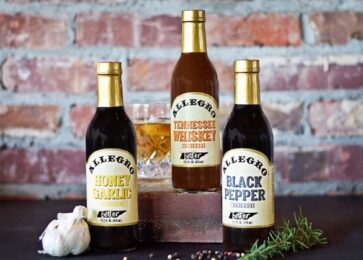
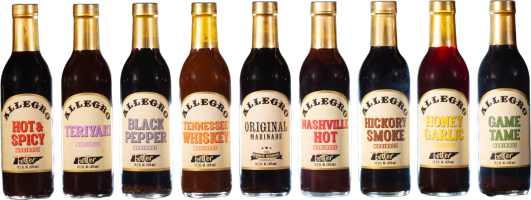
- Match sweetness to wood intensity: Sweet, fruit-based marinades pair naturally with lighter woods like apple or cherry. Savory, soy-based marinades like Allegro Original Marinade stand up well to oak or hickory smoke.
- Avoid flavor overlap: If you marinate meat in a heavy mesquite blend, stick to a neutral wood like oak in the smoker to avoid overwhelming the dish.
- Winning Combo 1: Allegro Original Marinade + Oak Wood
- Winning Combo 2: Allegro Game Tame + Mesquite Wood
- Winning Combo 3: Allegro Honey Garlic + Apple Wood
Frequently Asked Questions
Is hickory or mesquite better for brisket?
Oak and hickory are generally considered the gold standard for full packer briskets because they deliver a balanced, bacon-savory smoke ring over long cooks. Mesquite works well for smaller beef cuts or hot-and-fast cooks, but can become too aggressive over a 12-hour brisket smoke unless blended with oak.
What is the most versatile smoking wood?
Oak and pecan are the most versatile smoking woods. Both deliver a clean, medium-bodied smoke that pairs well with almost every protein, from beef and pork to poultry and seafood.
Can you mix smoking woods?
Absolutely! Mixing woods is a popular pitmaster technique. Combining a sweet fruit wood (like apple or cherry) with a strong wood (like hickory) gives you the best of both worlds: deep savory smoke with a mild, sweet finish.
How much liquid smoke equals real smoking?
Because liquid smoke is concentrated real smoke, 1/2 teaspoon of liquid smoke generally provides the flavor equivalent of a multi-hour smoke session for 2 to 3 pounds of meat.